What Are Dental Veneers?
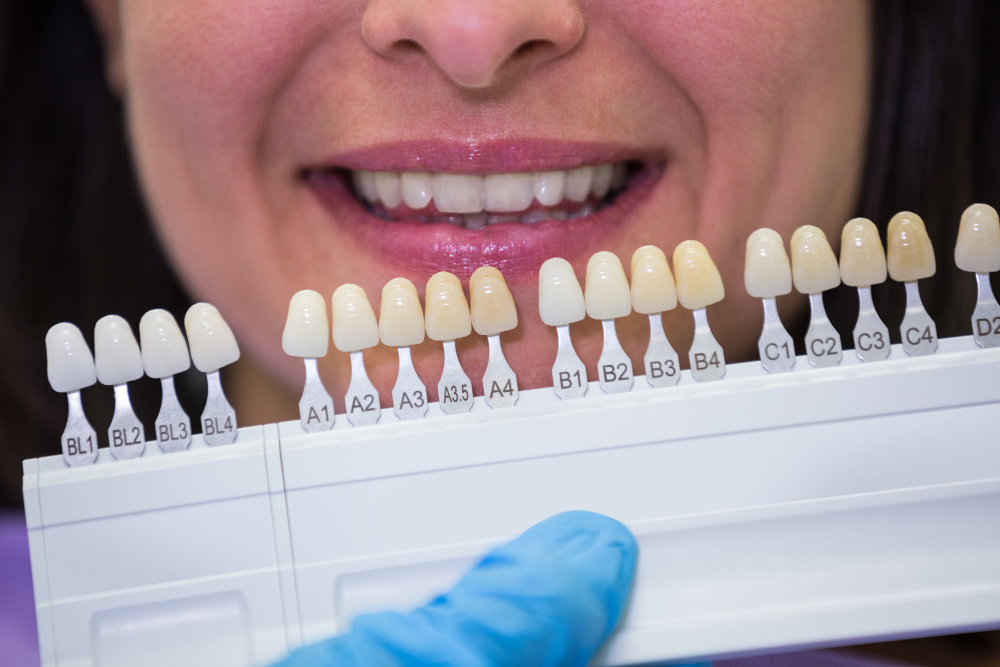
Dental veneers are thin, custom-made shells that cover the front of your teeth. Dentists use them to improve the look of your smile. Usually, veneers are made from porcelain or resin. Because they look natural, many people choose them for cosmetic reasons. According to the American Dental Association, dental veneers can fix many common dental issues.
Common Reasons for Getting Dental Veneers
Many people choose dental veneers to solve different dental problems. For example, you might want veneers if you have:
In addition, dental veneers can boost your confidence by giving you a brighter smile. If you want a quick change, veneers may be a good option.
Types of Dental Veneers
There are two main types of dental veneers. First, porcelain veneers are strong and look like natural teeth. Second, composite resin veneers are made from a tooth-colored filling material. Each type has its own benefits and drawbacks.
Your dentist can help you choose the best type for your needs.
The Procedure: How Dental Veneers Are Applied
The porcelain veneers procedure usually takes two or three visits. First, your dentist will examine your teeth and discuss your goals. Next, they may remove a small amount of enamel from the tooth surface. This step helps the veneer fit well. Then, your dentist will take an impression of your teeth. The dental lab uses this to make your custom veneers.
Once the veneers are ready, your dentist will check the fit and color. If everything looks good, they will bond the veneers to your teeth using a special cement. After that, you can enjoy your new smile right away.
Benefits and Risks of Dental Veneers
Dental veneers offer many benefits. For instance, they can:
However, there are some risks to consider. For example, veneers are not reversible. Also, your teeth may become more sensitive to hot or cold foods. In rare cases, veneers can chip or fall off. Therefore, it is important to follow your dentist’s advice for care and maintenance.
Aftercare and Maintenance Tips
Proper care helps your dental veneers last longer. Here are some tips:
With good care, porcelain veneers can last 10 to 15 years or more. Composite veneers may last 5 to 7 years. Still, your dentist can give you the best advice for your situation.
Who Is an Ideal Candidate?
Not everyone is a good candidate for dental veneers. Generally, you may be a good fit if you:
On the other hand, people with gum disease or weak teeth may need other treatments first. Your dentist will check your mouth and help you decide.
Frequently Asked Questions
Conclusion
Dental veneers can give you a brighter, more even smile. They offer many benefits, but it is important to know the risks and costs. If you are thinking about dental veneers, talk to a qualified dentist. They can help you decide if veneers are right for your needs.
Consult a qualified dentist Dr. Monika Bhardwaj to find out if dental veneers are right for you.