Dental braces are special devices that help straighten teeth and fix bite problems. Many people, both children and adults, may need dental braces to improve their smile and oral health. Often, crooked teeth or crowded teeth make cleaning hard. As a result, this can lead to tooth decay or gum disease. Dental braces offer a safe and effective way to align teeth and boost confidence. In this blog, you will learn about dental braces, their benefits, types, procedure, and care tips.
What Are Dental Braces?
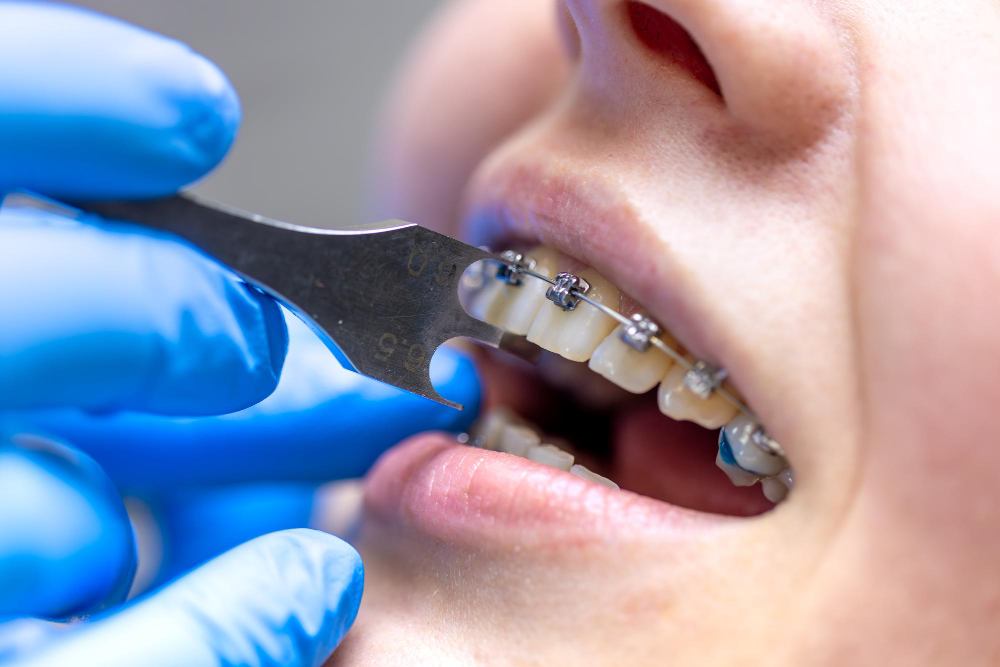
Dental braces are tools used by dentists to move teeth into better positions. Usually, they are made of metal, ceramic, or clear materials. Braces gently push teeth over time. Because of this, teeth become straighter and the bite improves. Not only do braces help with appearance, but they also make it easier to clean teeth. According to the American Association of Orthodontists, braces are a common orthodontic treatment for children and adults.
Benefits of Dental Braces
Dental braces offer many advantages. For example, they can:
Improve teeth alignment: Braces move teeth into the right place, making your smile look better.
Boost oral health: Straight teeth are easier to clean, so there is less risk of cavities or gum disease.
Enhance confidence: Many people feel happier and more confident with a straight smile.
Fix bite problems: Braces can correct overbites, underbites, and other bite issues.
Prevent future dental issues: Well-aligned teeth can reduce wear and tear on teeth and jaw.
Because of these benefits, dental braces are a popular choice for improving both health and appearance.
Types of Dental Braces
There are several types of dental braces. Each type has its own features. Here are the most common options:
Metal Braces: These are the traditional braces made of metal brackets and wires. They are strong and work well for most cases.
Ceramic Braces: These braces use clear or tooth-colored brackets. As a result, they are less visible than metal braces.
Lingual Braces: These braces are placed behind the teeth, so they are hidden from view. However, they may take longer to get used to.
Clear Aligners: These are removable, clear trays that fit over the teeth. Invisalign is a popular brand. They are almost invisible and easy to clean.
Your dentist or orthodontist will help you choose the best type based on your needs.
The Dental Braces Procedure
The process of getting dental braces involves several steps. Here is what you can expect:
Consultation: First, you meet with a dentist or orthodontist. They will check your teeth and take X-rays or photos.
Treatment Plan: Next, the dentist creates a plan for your braces. They will explain the type of braces and how long you may need them.
Fitting Braces: Then, the dentist attaches the braces to your teeth. This step may take one to two hours.
Adjustments: After that, you visit the dentist every few weeks. They will tighten or adjust the braces to keep teeth moving.
Removal: Once your teeth are straight, the dentist removes the braces. You may need to wear a retainer to keep teeth in place.
Each step is important for a successful result. Regular visits help ensure your teeth move safely and correctly.
Care Tips for Dental Braces
Taking care of your braces is very important. Good care helps prevent problems and keeps your treatment on track. Here are some helpful tips:
Brush your teeth after every meal to remove food and plaque.
Use a soft toothbrush and fluoride toothpaste for gentle cleaning.
Floss daily using special floss or a floss threader to clean between teeth and wires.
Avoid sticky, hard, or chewy foods that can damage braces.
Wear a mouthguard if you play sports to protect your braces and teeth.
Visit your dentist or orthodontist for regular check-ups and adjustments.
By following these tips, you can keep your braces and teeth healthy during treatment.
Common Questions About Dental Braces
Many people have questions about dental braces. Here are some common ones:
How long do I need to wear braces? Most people wear braces for 1 to 3 years. However, the time depends on your teeth and treatment plan.
Do braces hurt? You may feel some discomfort after adjustments. But this usually goes away in a few days.
Can adults get braces? Yes, adults can benefit from braces just like children and teens.
Are there foods I should avoid? Yes, avoid sticky, hard, or chewy foods. These can break or damage your braces.
How do I clean my braces? Brush and floss carefully every day. Your dentist can show you the best way to clean around braces.
If you have more questions, your dentist or orthodontist can help.
Conclusion
Dental braces can greatly improve your smile and oral health. With many types and benefits, they are a trusted choice for straightening teeth. If you are thinking about dental braces, consult Dr Monika Bhardwaj, a qualified dentist to learn if they are right for you.