What is Root Canal Treatment?
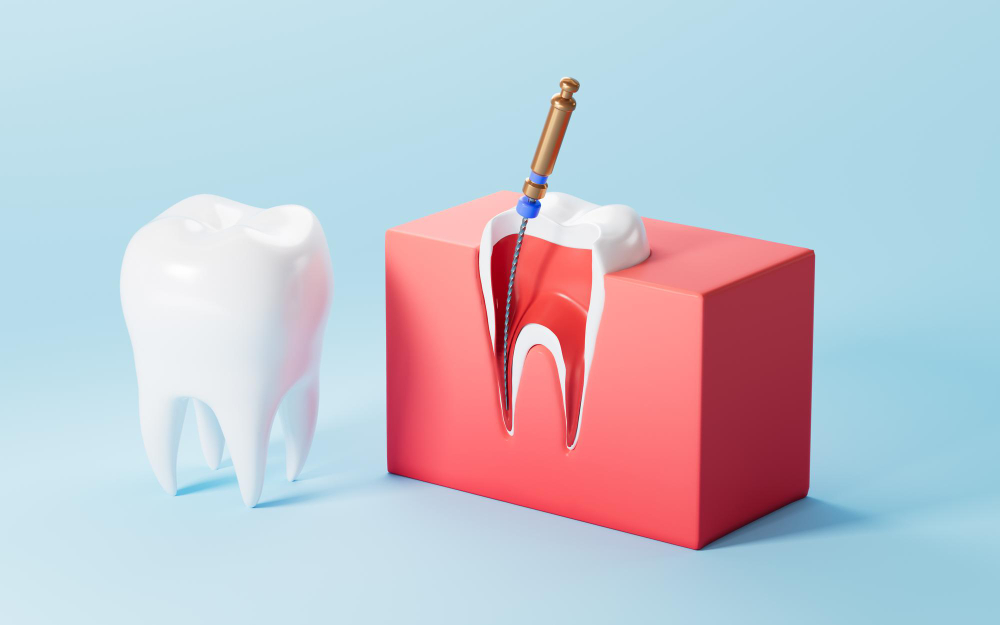
Root canal treatment is a dental procedure that saves a tooth when its inside, called the pulp, becomes infected or damaged. Instead of removing the tooth, the dentist cleans out the infection and seals the tooth. As a result, you can keep your natural tooth and avoid an extraction. Many people worry about root canals, but with modern care, the procedure is safe and comfortable.
Symptoms Indicating You May Need a Root Canal
Sometimes, tooth pain is a sign that you need root canal treatment. However, not all pain means you need this procedure. Look for these common root canal symptoms:
If you notice any of these signs, you should see your dentist soon. Early care can prevent more serious problems.
Causes Leading to Root Canal Treatment
There are several reasons why you might need a root canal. Often, tooth decay is the main cause. However, other factors can also lead to infection or damage inside the tooth. These include:
Because bacteria can enter through these openings, the pulp can become infected. If left untreated, the infection may spread and cause more pain or swelling.
Diagnosis: How Dentists Identify the Need for a Root Canal
First, your dentist will ask about your symptoms and examine your mouth. Next, they may tap on your tooth or check for swelling. X-rays are often used to see the inside of your tooth and the surrounding bone. These steps help your dentist decide if root canal treatment is needed. Sometimes, other treatments may be possible, but your dentist will explain your options.
The Root Canal Procedure: Step-by-Step
Many people want to know what happens during a root canal. Here are the main root canal procedure steps:
Most root canal treatments take one or two visits. Afterward, your tooth can work like normal again.
Recovery and Aftercare Tips
After root canal treatment, you may feel some soreness for a few days. However, most people return to normal activities quickly. To help your recovery, follow these root canal recovery tips:
With proper care, your treated tooth can last many years.
Prevention: How to Avoid Needing a Root Canal
Good oral care can help you avoid root canal treatment. Here are some simple steps you can take:
By following these tips, you can lower your risk of tooth decay and injury.
Frequently Asked Questions
For more information or if you have symptoms, consult Dr. Monika Bhardwaj for personalized advice on root canal treatment.