Root Canal Treatment: Symptoms, Procedure, Recovery, and Prevention
Learn about root canal treatment, symptoms, procedure steps, recovery tips, and prevention. Find out when you need a root canal and how to care for your teeth.
At GM Dental Clinic, we believe that informed patients make confident decisions about their oral health. Many people delay dental treatment because of fear, myths, or incomplete information. Here are some common dental myths and the facts behind them.
Fact: Modern Root Canal Treatment is performed using advanced techniques and local anesthesia, making the procedure comfortable for most patients. In fact, RCT helps relieve tooth pain caused by infection.
Fact: Saving your natural tooth is usually the first preference whenever possible. Root Canal Treatment can help preserve the natural tooth structure and avoid future complications caused by missing teeth.
Fact: Dental implants can be suitable for adults of different age groups who have missing teeth and adequate bone support. A dentist will evaluate your oral health, bone condition, and medical history before recommending implants.
Fact: Professional teeth whitening performed under dental supervision is generally safe. It helps remove stains and improve smile brightness without harming the tooth structure when done correctly.
Fact: Orthodontic treatment can be done for teenagers and adults too. Braces and aligners can help correct misaligned teeth, improve bite function, and enhance smile aesthetics.
Fact: Baby teeth are important for chewing, speech development, and guiding permanent teeth into place. Untreated cavities in children can cause pain, infection, and future dental problems.
Fact: Professional dental cleaning removes plaque and tartar buildup. It does not weaken teeth. Instead, it helps protect gums, prevent bad breath, and maintain long-term oral health.
Fact: Many dental issues, including cavities, gum disease, and early infections, may not cause pain initially. Regular dental check-ups help detect problems early and prevent advanced treatment needs.
You should visit a dentist if you have tooth pain, sensitivity, bleeding gums, bad breath, swelling, loose teeth, missing teeth, or difficulty chewing. Even without symptoms, a routine dental check-up every 6 months is recommended for preventive care.
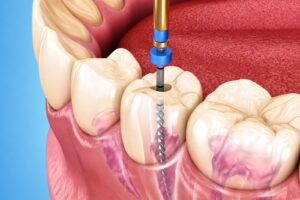
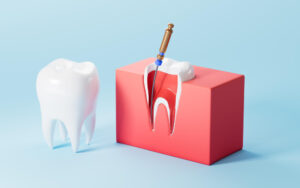
No. With modern dental techniques and local anesthesia, Root Canal Treatment is usually comfortable. The procedure is done to remove infection from the tooth and relieve pain, not cause it.
You may need RCT if you have severe tooth pain, prolonged sensitivity to hot or cold, swelling near the tooth, deep cavity, tooth discoloration, or pain while chewing. A dentist will confirm the need after clinical examination and X-rays.
In many cases, yes. If the tooth root and surrounding bone are healthy, treatments like Root Canal Treatment, post and core, dental crowns, or restorative procedures may help save the natural tooth. However, if the tooth is severely damaged, extraction may be advised.
Tooth extraction may be needed when a tooth is severely decayed, fractured beyond repair, infected, loose due to gum disease, or impacted like some wisdom teeth.
Tooth extraction is performed under local anesthesia, so the procedure is generally comfortable. You may feel pressure, but pain is minimized. The dentist will also guide you with aftercare instructions for proper healing.
After extraction, avoid spitting forcefully, smoking, using a straw, or touching the area with your tongue or fingers. Eat soft food, follow prescribed medicines, and maintain oral hygiene as advised by your dentist.
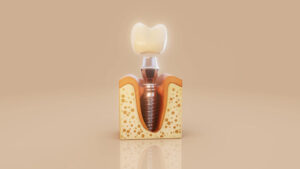
Dental implants are artificial tooth roots placed in the jawbone to support replacement teeth. They are a long-term solution for missing teeth and can help restore chewing ability, smile appearance, and confidence.
Dental implants are a widely used and reliable treatment option when planned properly. Suitability depends on your bone health, gum condition, oral hygiene, and overall medical status. A detailed dental evaluation is required before implant placement.
In selected cases, immediate implant placement may be possible after extraction. However, this depends on bone condition, infection status, and the location of the tooth. Your dentist will decide after examination and X-rays.
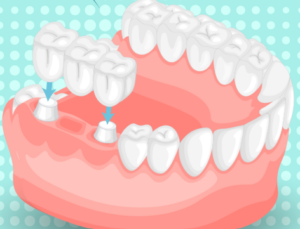
Both dental bridges and implants can replace missing teeth. A bridge may be suitable when adjacent teeth need support, while implants replace missing teeth without depending on neighboring teeth. The best option depends on your oral condition, budget, and treatment goals.
After RCT, the tooth may become weak, especially if it has a large cavity or fracture. A dental crown protects the treated tooth, restores strength, and helps improve chewing function.
Professional teeth whitening is generally safe when done under dental supervision. It is important to avoid overuse of whitening products without guidance, as this may cause sensitivity or gum irritation.
Yes. Pediatric dental visits help monitor tooth development, prevent cavities, guide oral hygiene habits, and treat dental issues early. Children should be encouraged to visit the dentist regularly from an early age.
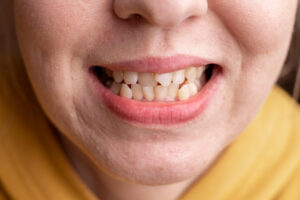
No. Braces and orthodontic treatment not only improve smile appearance but also correct bite problems, crowding, spacing, and alignment issues that can affect chewing and oral hygiene.

Learn about root canal treatment, symptoms, procedure steps, recovery tips, and prevention. Find out when you need a root canal and how to care for your teeth.

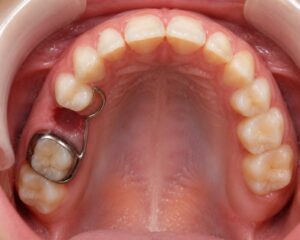
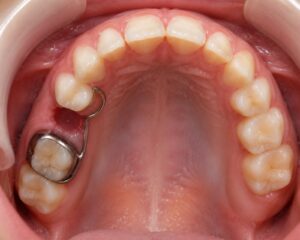
Learn when space maintainers are needed, their benefits, and care tips. Discover solutions for early tooth loss in children’s dental care. Read our guide.
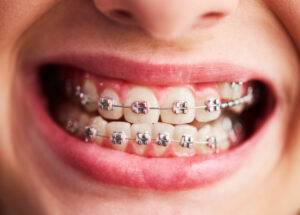
Learn about metal braces, their benefits, process, care tips, and what to expect during orthodontic treatment. Get answers to common questions about metal brace

Learn about wisdom tooth extraction, recovery, pain relief, and aftercare. Get tips for a smooth healing process and know when to consult your dentist.
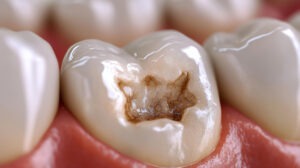
Learn about dental caries, including causes, symptoms, diagnosis, treatment, and prevention. Get oral health tips and cavity prevention advice for a healthy smi
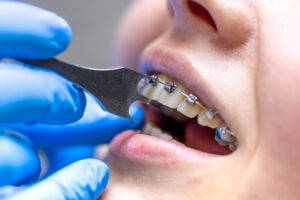
Dental braces are special devices that help straighten teeth and fix bite problems. Many people, both children and adults, may need dental braces to improve the
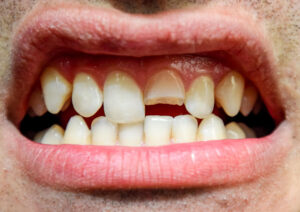
A broken tooth can happen to anyone. It may cause pain, trouble eating, or even infection. If you have a broken tooth, you might wonder what to do next. In this

What is FPD (Fixed Partial Denture)? FPD stands for Fixed Partial Denture. It is also known as a dental bridge or fixed dental prosthesis. Dentists use FPD to r
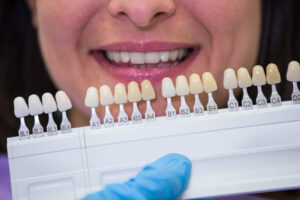
What Are Dental Veneers? Dental veneers are thin, custom-made shells that cover the front of your teeth. Dentists use them to improve the look of your smile. Us