Introduction
Many people think dental implants are only for looks. However, their true value goes much deeper. How implants restore function is just as important as their appearance. Dental implants help you eat, speak, and smile with confidence. In fact, dental implant benefits include oral function restoration and improved comfort. For those struggling with missing teeth, chewing with dental implants can make daily life easier. Let’s explore how implants do more than just fill gaps in your smile.
What Are Dental Implants?
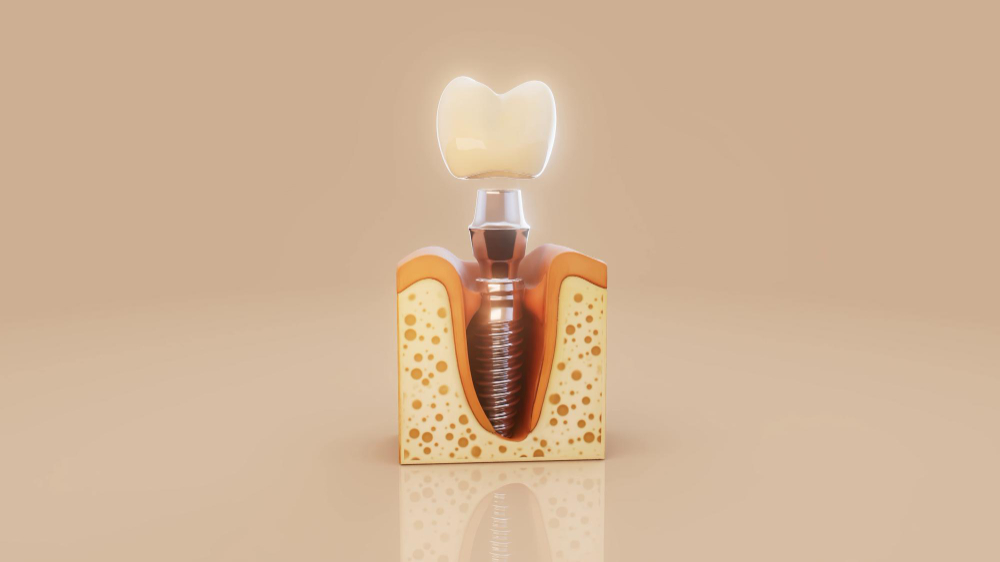
Dental implants are small posts, usually made of titanium. Dentists place them in your jawbone to act like natural tooth roots. Over time, the bone grows around the implant, holding it firmly in place. After healing, a crown or bridge is attached. This creates a strong, natural-looking tooth. Unlike dentures, implants stay fixed in your mouth. Therefore, they offer a stable and lasting solution for missing teeth.
The Functional Benefits of Dental Implants
Dental implants do more than improve your smile. They also restore important functions in your mouth. For example, they help you bite and chew food with ease. Because implants are anchored in the jaw, they feel like real teeth. This means you can enjoy your favorite foods again. In addition, implants help keep your jawbone healthy. When teeth are missing, the bone can shrink over time. Implants stimulate the bone, helping to prevent this loss. Here are some key dental implant benefits:
How Implants Improve Chewing and Speech
Missing teeth can make eating tough. However, dental implants allow you to chew food just like with natural teeth. This means you can enjoy crunchy fruits, nuts, and meats without worry. In addition, implants help with speech. Sometimes, gaps or loose dentures cause slurred words or mumbling. Because implants are fixed, they help you speak clearly. As a result, you can talk and eat with comfort and confidence.
Dental Implants vs. Traditional Solutions
Many people wonder how implants compare to other options. Traditional dentures and bridges can help, but they have limits. For example, dentures may slip or cause sore spots. Bridges often require grinding down healthy teeth. In contrast, dental implants:
Therefore, implants are often the best choice for long-term oral function restoration.
Who Can Benefit from Dental Implants?
Many adults with missing teeth can benefit from dental implants. If you have healthy gums and enough bone, you may be a good candidate. Even if you have lost bone, some treatments can help prepare your jaw. People who struggle with loose dentures or bridges may find implants life-changing. In addition, those who want to eat, speak, and smile with ease should consider this option. However, a dental specialist will check your health and needs before starting treatment.
Recovery and Long-Term Care
After getting dental implants, recovery is usually smooth. Most people return to normal activities within a few days. However, it is important to follow your dentist’s advice. Good oral care helps implants last for many years. Brush and floss daily, just like with natural teeth. Regular dental checkups are also key. With proper care, implants can last a lifetime. According to the American Dental Association, implants have a high success rate and help maintain oral health.
Common Myths About Dental Implants
There are some myths about dental implants. Let’s clear up a few:
Conclusion
Dental implants do much more than improve your appearance. They restore your ability to eat, speak, and live with confidence. If you want to learn more about how implants restore function, consult a dental specialist Dr. Monika Bhardwaj to see if they are right for you.