What Is a Failed Root Canal?
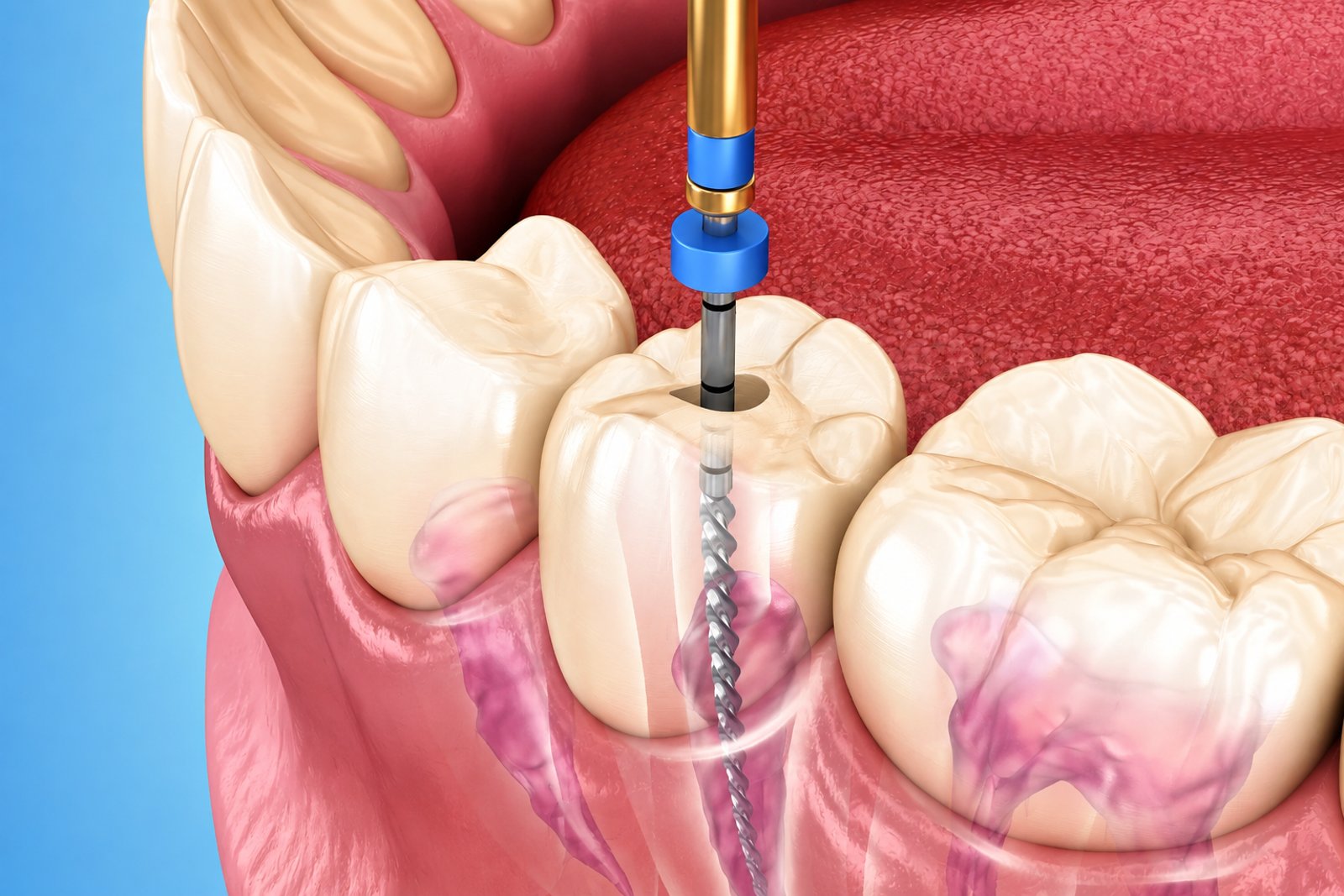
A root canal is a dental treatment that saves a damaged tooth. Sometimes, though, a root canal does not work as planned. This is called a failed root canal. When this happens, pain or infection may return. In many cases, advanced evaluation can help find the cause and guide the next steps. Understanding what a failed root canal means is important for your dental health.
Common Symptoms and Warning Signs
After a root canal, most people expect relief. However, some signs may show the treatment did not work. For example, you might notice:
Sometimes, these symptoms appear soon after treatment. Other times, they may show up months or even years later. If you notice any of these signs, it is important to seek dental care quickly.
Causes of Root Canal Failure
Many factors can lead to a failed root canal. Some common causes include:
In some cases, bacteria can remain inside tiny spaces in the tooth. Over time, this can cause infection to return. But with advanced dental evaluation, your dentist can find the exact cause.
Importance of Advanced Evaluation
When a root canal fails, a simple check-up may not be enough. Therefore, advanced evaluation is key. It helps your dentist see what went wrong and plan the best treatment. With new tools and technology, dentists can spot problems that were missed before. This means you get a more accurate diagnosis and better care.
Modern Diagnostic Techniques
Today, dentists use advanced tools to check failed root canals. For instance, they may use:
With these modern root canal diagnostics, your dentist can make better decisions. As a result, you have a higher chance of saving your tooth.
Treatment Options After Failure
If your root canal has failed, do not worry. There are several treatment options available. Your dentist will choose the best one based on your needs. Common treatments include:
With advanced evaluation, your dentist can explain which option is best for you. Early treatment often leads to better results.
Prevention Tips for Future Dental Health
While not all root canal failures can be avoided, you can lower your risk. Here are some helpful tips:
By following these steps, you can help protect your teeth and gums. Good oral care is the best way to prevent future problems.
Conclusion
In summary, a failed root canal can be stressful, but advanced evaluation can help. Modern diagnostic tools make it easier to find the cause and choose the right treatment. If you have symptoms or concerns, consult Dr. Monika Bhardwaj for personalized evaluation and treatment options.